What Is Virtual Staging? A Simple Guide for Real Estate
Virtual staging digitally furnishes empty rooms in listing photos. Learn how it works, what it can and can't do, and when it makes sense.
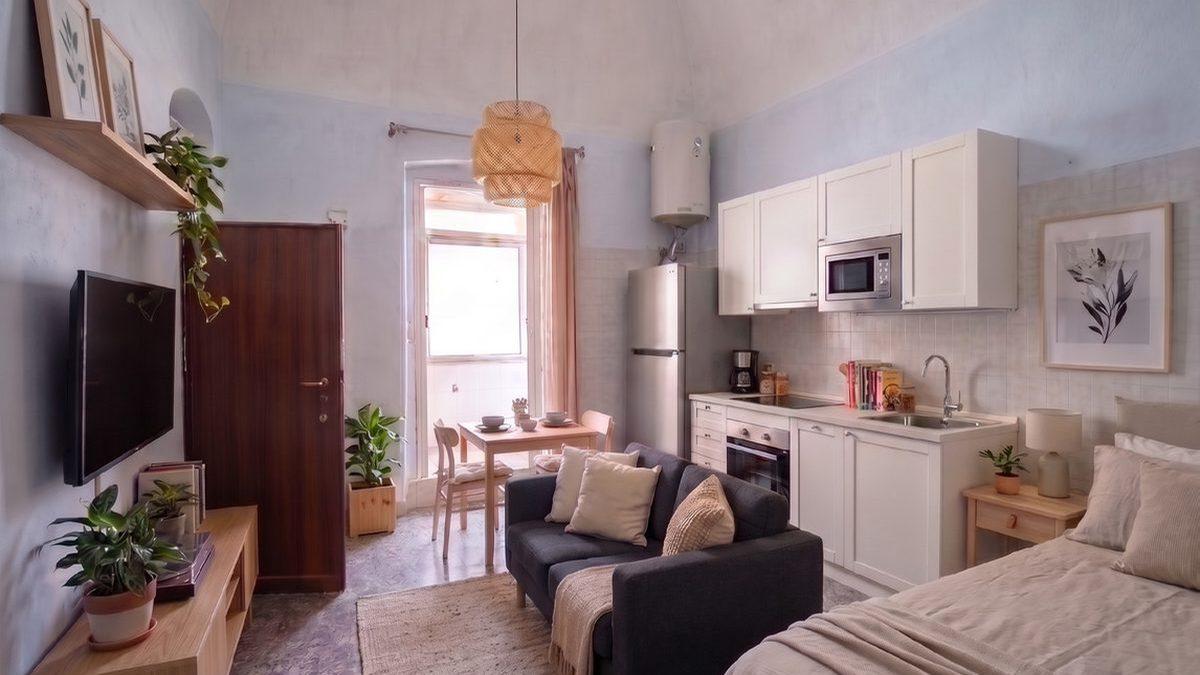
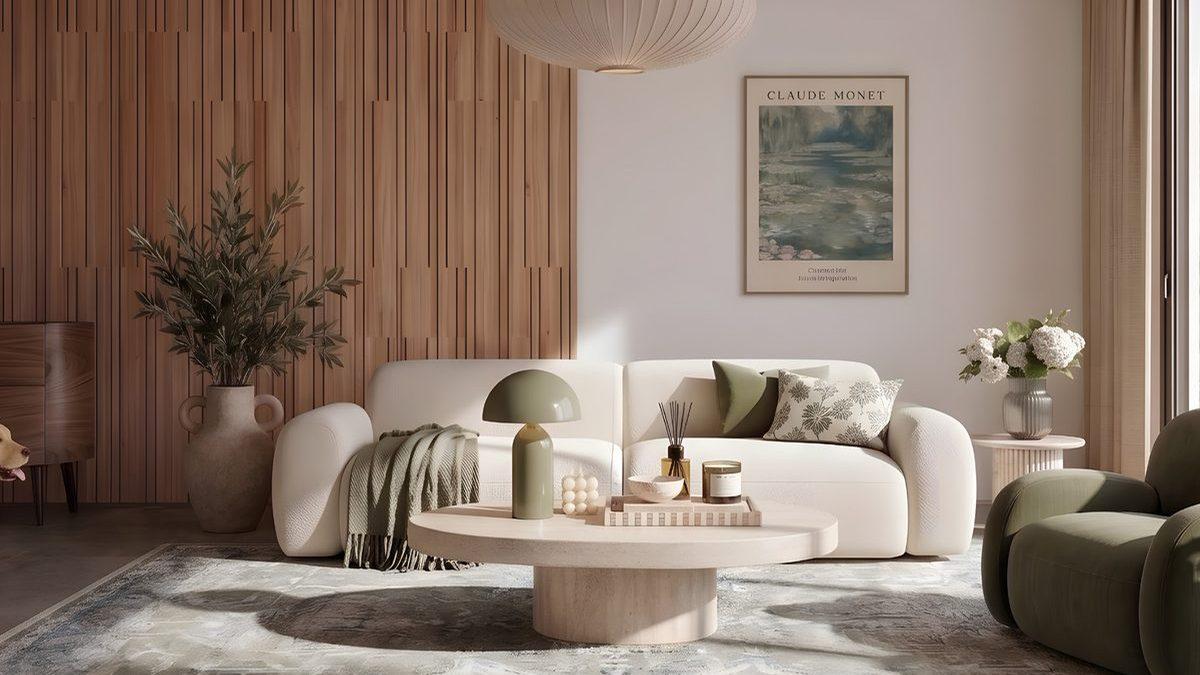
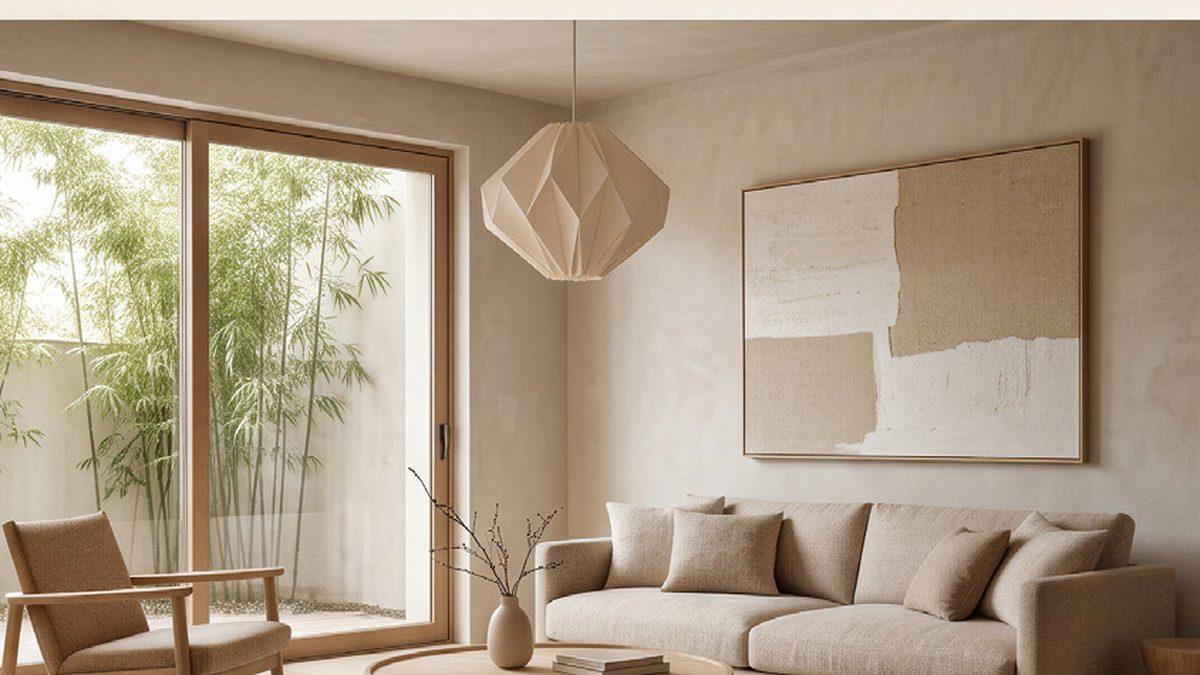
Virtual staging is the process of adding furniture and décor to photos of empty or outdated rooms using digital tools. The result is a photorealistic image of the same room, furnished and styled, that you can use in your listing, brochure and social media.
Why empty rooms are hard to sell
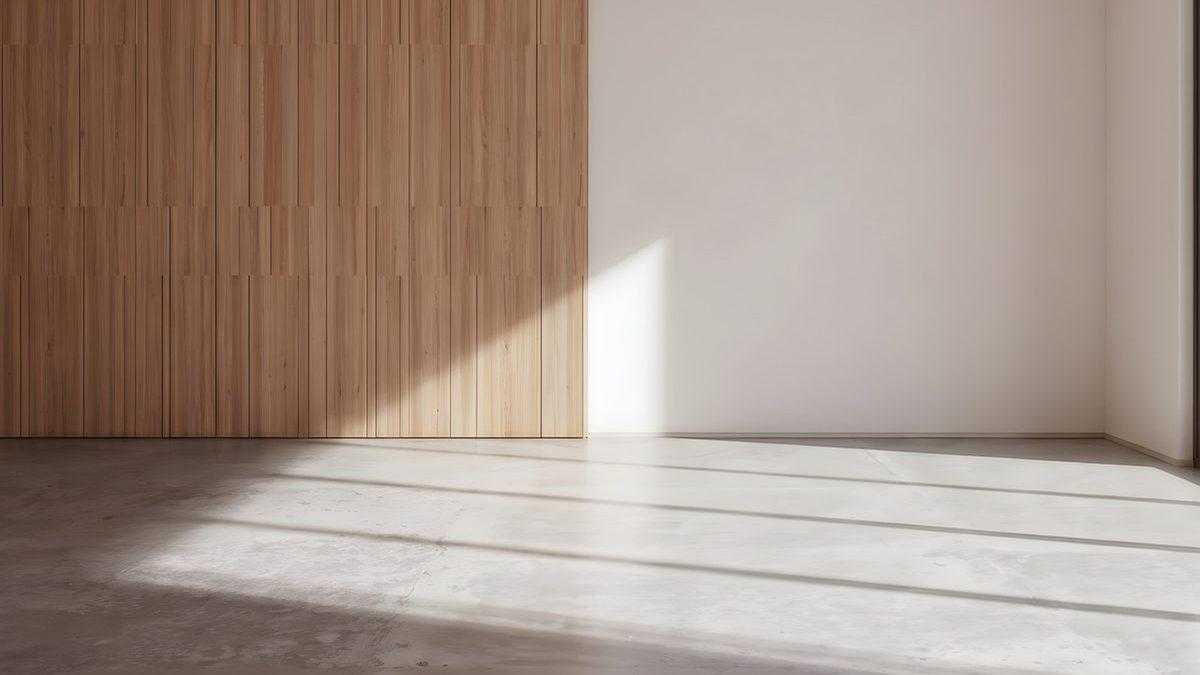
An empty room is difficult to read. Buyers and renters struggle to judge scale, to see where a sofa or a bed would go, and to imagine daily life in the space. Bare floors and walls can also look colder and smaller in photos than they feel in person. Furnished images give the eye something to measure against and help people connect emotionally with a property.
How virtual staging works
- Choose an interior style that suits the property and its likely buyers.
- Send a clear photo of the empty room and say what type of room it is.
- A designer places furniture and décor so that it matches the light, perspective and scale of your photo.
- You receive the staged image, ready for your listing.
At Arian Studio this is exactly the process: you pick a style, send your photo, and receive photorealistic images. You can see real examples in the portfolio.
What virtual staging can and can't do
It can furnish a room, show how a space could be used and let you present the same room in more than one style. It cannot fix structural problems, change the real condition of a property or add features that do not exist. A staged image should show potential, not hide reality, which is why we recommend that you disclose staged photos.
When it makes sense
- Vacant properties and new builds, where there is nothing to photograph but bare rooms.
- Rooms with outdated furniture or an awkward layout.
- Properties that need to appeal to different buyer profiles.
- Rentals, where you want tenants to see how the space can be used. See virtual staging for rentals.
Who benefits most
Estate agents and developers use virtual staging to present properties that are still empty, so that listings are ready the day they go live. Private sellers use it to avoid the cost and disruption of moving furniture in and out. Landlords and property managers use it to market several units quickly and consistently, with one style across the whole building.
Common questions
Is it the same as a 3D render? No. A render is built from scratch, while virtual staging starts from a real photograph of your actual room and adds furniture to it, so the architecture, light and views stay true to the property.
Can I choose the furniture style? Yes, and it is one of the main advantages. You can pick the look that fits the property and compare alternatives before deciding.
Do I have to tell buyers? You should. Honest labelling protects them and you. Our guide to disclosing staged photos shows simple ways to do it.
What it costs
Prices depend on the studio. At Arian Studio one image costs €19, five images €59 and ten images €99, and your first image is free. See the pricing page for details.