Six Interior Styles for Staged Listings and Who They Suit
Contemporary Luxury, Soft Industrial, Japandi, Transitional Elegance, Modern Heritage and Modern Coastal: how to pick the right style for your listing.
The right style makes a property feel like it was made for its buyer. The wrong one feels off, even if the furniture is beautiful. Here are six styles from our library, and the kind of property and buyer each one suits. See them as mood boards on the styles page.
Contemporary Luxury
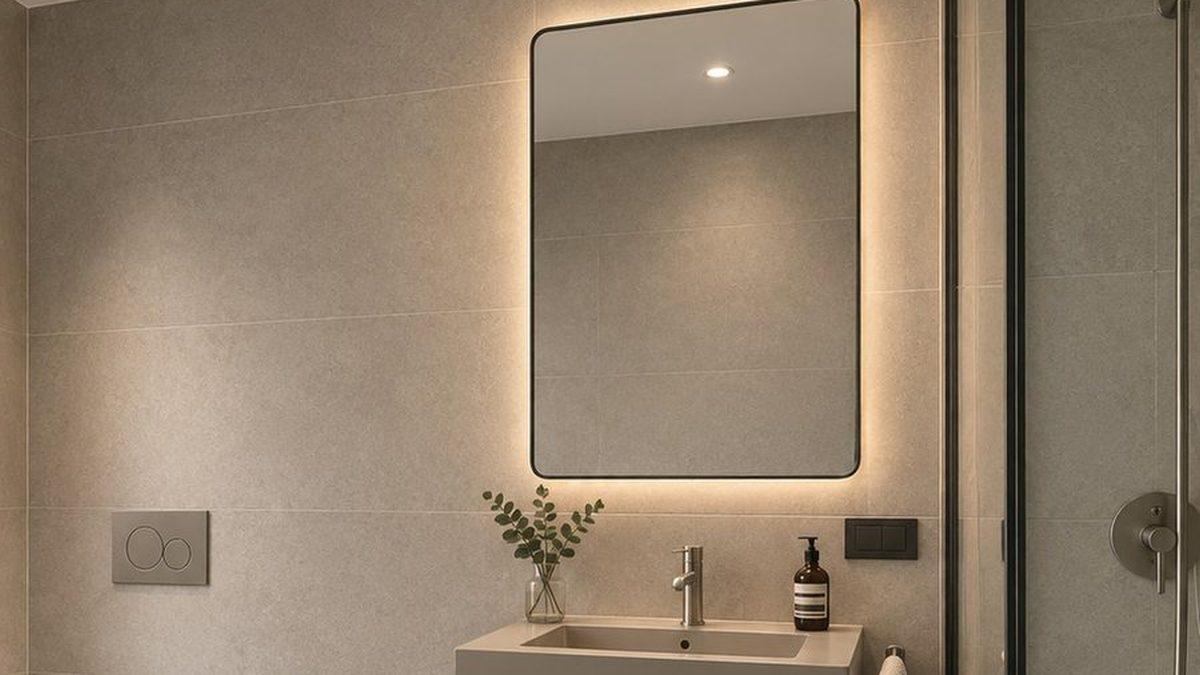
Generous space, natural materials and bespoke details. Suits spacious, high-ceilinged apartments and upper-market properties where the goal is quiet sophistication.
Soft Industrial
Raw textures such as concrete and steel, softened by warm wood and cosy textiles. A good fit for lofts, conversions and properties with exposed brick or large metal-framed windows.
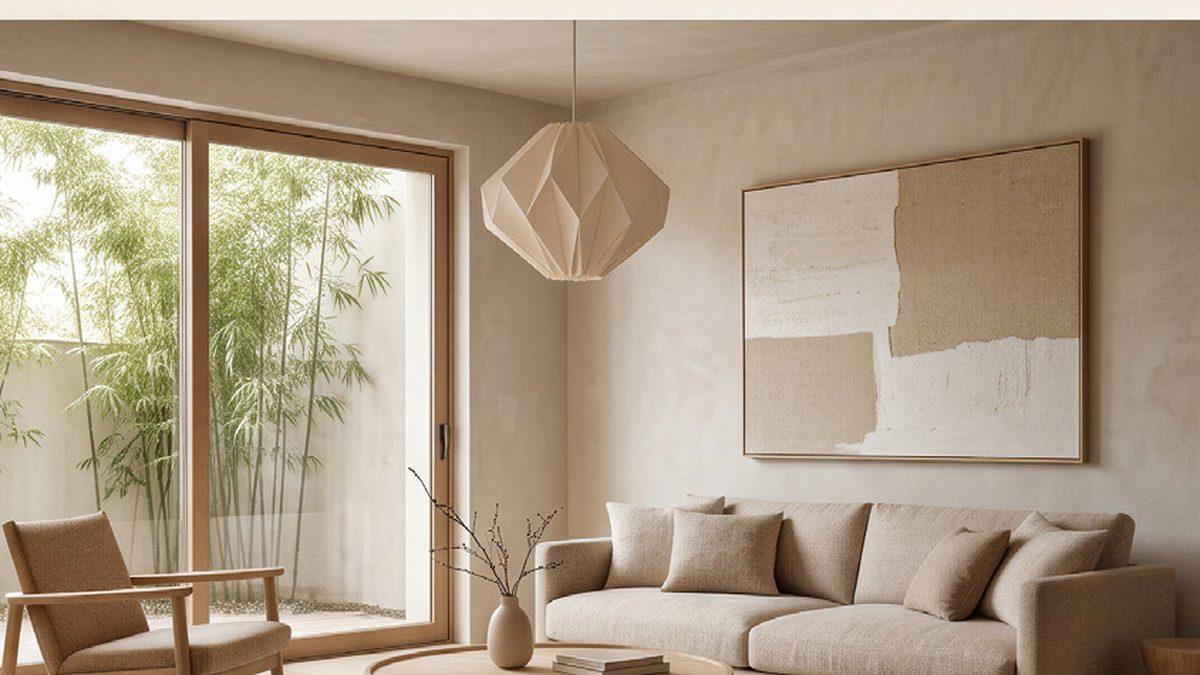
Japandi
Japanese minimalism meets Scandinavian warmth: calm, natural and uncluttered. Works almost anywhere, and is especially good for small and medium apartments and for buyers who want a peaceful home.
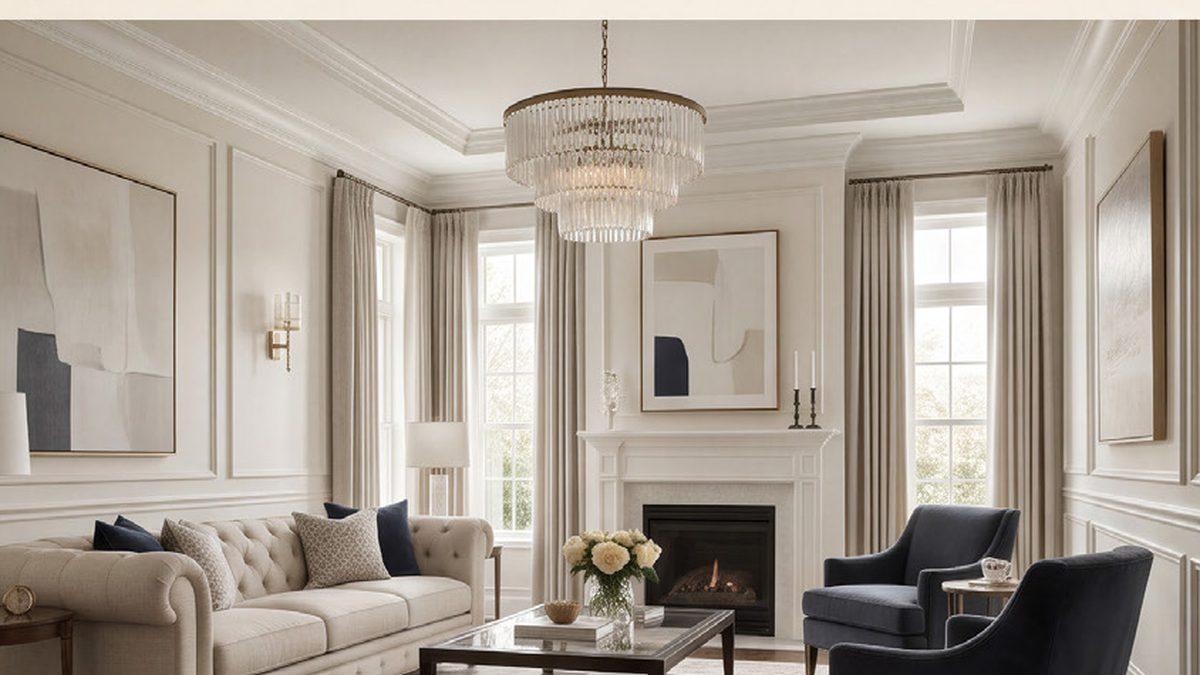
Transitional Elegance
Classic and modern in balance, with timeless pieces and a clean, welcoming feel. A safe, broad-appeal choice for family homes and traditional buildings with mouldings and tall windows.
Modern Heritage
Warm woods and layered, vintage-inspired details with a contemporary edge. Suits period properties and buyers who value character and history.
Modern Coastal
Airy, light and relaxed, with natural fibres and a soft sea-inspired palette. Ideal for holiday homes, seaside apartments and bright rooms with good views.
How to choose
- Look at the building first: its architecture, light and age often suggest a style.
- Think of the likely buyer or tenant and what they want from the home.
- When in doubt, choose a calm, neutral style, or show two styles and compare.
Mixing styles in one property
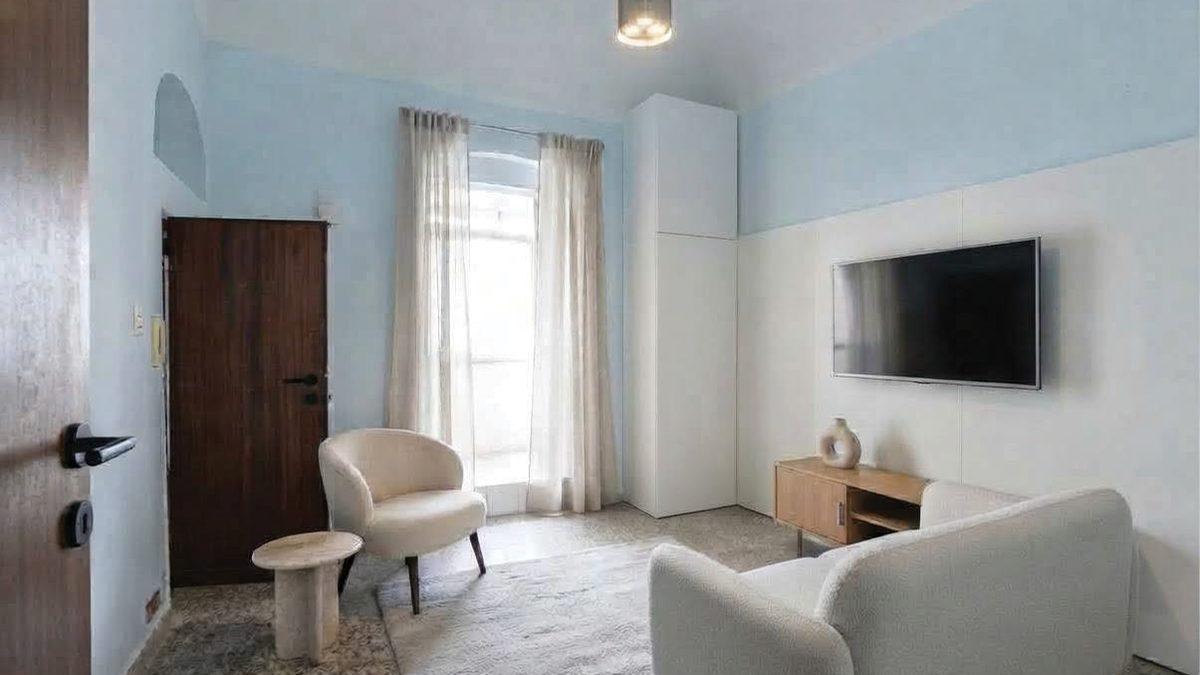
It is usually best to keep one style across a whole listing so the images feel coherent. A single clear style also helps buyers imagine the property as a complete home. If you want to test two options, stage the same room in both and compare them, as we do for the vaulted studio in the portfolio.
Colour and materials at a glance
- Contemporary Luxury: neutral tones with rich accents and natural stone and wood.
- Soft Industrial: concrete and metal greys with warm timber and linen.
- Japandi: light woods, soft beige and muted green.
- Transitional Elegance: creams, navy and brass with classic shapes.
- Modern Heritage: deep wood tones and warm, layered textiles.
- Modern Coastal: whites, sand and soft blues with natural fibres.